Enjoy free shipping on orders of $50+
Atempo Natural is committed to delivering premium nutraceutical solutions rooted in scientific research. Our NAD+ supplement is carefully crafted to support cellular energy, longevity, and vitality. With no fillers and only the most potent ingredients, this supplement is a cornerstone for those seeking to enhance their well-being naturally.
NAD+ (nicotinamide adenine dinucleotide) is a vital coenzyme in all living cells. It fuels essential biological processes, including energy metabolism, DNA repair, and cellular communication. However, NAD+ levels naturally decline as we age—dropping by up to 80% in tissues like the brain, muscles, and skin [2]. This decline is linked to age-related conditions and a reduction in overall vitality.
One of the most effective ways to restore NAD+ levels is through nicotinamide riboside (NR), a precursor of NAD+. Clinical studies show NR supplementation can:
Nicotinamide Riboside (NR):
Pterostilbene:
Glutathione:
Quercetin:
Resveratrol:
Coenzyme Q10 (CoQ10):
Broccoli Seed Extract:
Astragalus Membranaceus:
Immune Health:
NAD+ helps regulate immune responses and supports infection recovery, including respiratory conditions like COVID-19 [6]-[9].
Skin Health:
Restores NAD+ levels to reduce UV-induced skin damage, prevent nonmelanoma skin cancers, and minimize wrinkles [26]-[28].
Muscle Function and Longevity:
Enhances muscle repair and regeneration by improving mitochondrial health and reducing inflammation [16], [22]-[25].
Cognitive and Neuroprotection:
Every ingredient in our NAD+ supplement is supported by extensive research:
For a full list of references, see the detailed bibliography below.
Take the first step toward vibrant health and longevity. Choose Atempo Natural’s NAD+ Supplement today and unlock the power of science-backed wellness.
[1] A. Biţă et al., “Nicotinamide Riboside, a Promising Vitamin B3 Derivative for Healthy Aging and Longevity: Current Research and Perspectives,” Molecules, vol. 28, no. 16, p. 6078, Aug. 2023, doi: 10.3390/molecules28166078. Available: https://pmc.ncbi.nlm.nih.gov/articles/PMC10459282/.
[2] K. A. Freeberg, C. C. Udovich, C. R. Martens, D. R. Seals, and D. H. Craighead, “Dietary Supplementation With NAD+-Boosting Compounds in Humans: Current Knowledge and Future Directions,” J. Gerontol. A. Biol. Sci. Med. Sci., vol. 78, no. 12, p. 2435, Apr. 2023, doi: 10.1093/gerona/glad106. Available: https://pmc.ncbi.nlm.nih.gov/articles/PMC10692436/.
[3] S. E. Airhart et al., “An open-label, non-randomized study of the pharmacokinetics of the nutritional supplement nicotinamide riboside (NR) and its effects on blood NAD+ levels in healthy volunteers,” PLoS ONE, vol. 12, no. 12, p. e0186459, Dec. 2017, doi: 10.1371/journal.pone.0186459. Available: https://pmc.ncbi.nlm.nih.gov/articles/PMC5718430/.
[4] N. F. and F. A. (NDA) EFSA Panel on Nutrition et al., “Extension of use of nicotinamide riboside chloride as a novel food pursuant to Regulation (EU) 2015/2283,” EFSA J., vol. 19, no. 11, p. e06843, Nov. 2021, doi: 10.2903/j.efsa.2021.6843. Available: https://pmc.ncbi.nlm.nih.gov/articles/PMC8586847/.
[5] M. F. Murray, “Nicotinamide: An Oral Antimicrobial Agent with Activity against Both Mycobacterium tuberculosis and Human Immunodeficiency Virus,” Clin. Infect. Dis., vol. 36, no. 4, pp. 453–460, Feb. 2003, doi: 10.1086/367544. Available: https://doi.org/10.1086/367544.
[6] P. Kyme et al., “C/EBPε mediates nicotinamide-enhanced clearance of Staphylococcus aureus in mice,” J. Clin. Invest., vol. 122, no. 9, p. 3316, Aug. 2012, doi: 10.1172/JCI62070. Available: https://pmc.ncbi.nlm.nih.gov/articles/PMC3428083/.
[7] F. Ren et al., “Niacin analogue, 6-Aminonicotinamide, a novel inhibitor of hepatitis B virus replication and HBsAg production,” EBioMedicine, vol. 49, p. 232, Oct. 2019, doi: 10.1016/j.ebiom.2019.10.022. Available: https://pmc.ncbi.nlm.nih.gov/articles/PMC6945246/.
[8] C. D. Heer et al., “Coronavirus infection and PARP expression dysregulate the NAD metabolome: An actionable component of innate immunity,” J. Biol. Chem., vol. 295, no. 52, p. 17986, Jan. 2021, doi: 10.1074/jbc.RA120.015138. Available: https://pmc.ncbi.nlm.nih.gov/articles/PMC7834058/.
[9] M. A. Gharote, “Role of poly (ADP) ribose polymerase-1 inhibition by nicotinamide as a possible additive treatment to modulate host immune response and prevention of cytokine storm in COVID-19,” Indian J. Med. Sci., vol. 72, no. 1, p. 25, Apr. 2020, doi: 10.25259/IJMS_29_2020. Available: https://pmc.ncbi.nlm.nih.gov/articles/PMC7217270/.
[10] W. L. Stone, H. Basit, M. Zubair, and B. Burns, “Pathology, Inflammation,” in StatPearls, Treasure Island (FL): StatPearls Publishing, 2024. Available: http://www.ncbi.nlm.nih.gov/books/NBK534820/.
[11] N. Braidy and Y. Liu, “NAD+ therapy in age-related degenerative disorders: A benefit/risk analysis,” Exp. Gerontol., vol. 132, p. 110831, Apr. 2020, doi: 10.1016/j.exger.2020.110831. Available: https://www.sciencedirect.com/science/article/pii/S0531556519307582.
[12] B. Zhou et al., “Boosting NAD level suppresses inflammatory activation of PBMCs in heart failure,” J. Clin. Invest., vol. 130, no. 11, p. 6054, Oct. 2020, doi: 10.1172/JCI138538. Available: https://pmc.ncbi.nlm.nih.gov/articles/PMC7598081/.
[13] D. D. Wang et al., “Safety and Tolerability of Nicotinamide Riboside in Heart Failure With Reduced Ejection Fraction,” JACC Basic Transl. Sci., vol. 7, no. 12, p. 1183, Sep. 2022, doi: 10.1016/j.jacbts.2022.06.012. Available: https://pmc.ncbi.nlm.nih.gov/articles/PMC9831861/.
[14] J. Wu et al., “Boosting NAD+ blunts TLR4-induced type I IFN in control and systemic lupus erythematosus monocytes,” J. Clin. Invest., vol. 132, no. 5, p. e139828, Mar. 2022, doi: 10.1172/JCI139828. Available: https://pmc.ncbi.nlm.nih.gov/articles/PMC8884917/.
[15] B. Brakedal et al., “The NADPARK study: A randomized phase I trial of nicotinamide riboside supplementation in Parkinson’s disease,” Cell Metab., vol. 34, no. 3, pp. 396-407.e6, Mar. 2022, doi: 10.1016/j.cmet.2022.02.001. Available: https://www.cell.com/cell-metabolism/abstract/S1550-4131(22)00045-6.
[16] Y. S. Elhassan et al., “Nicotinamide Riboside Augments the Aged Human Skeletal Muscle NAD+ Metabolome and Induces Transcriptomic and Anti-inflammatory Signatures,” Cell Rep., vol. 28, no. 7, p. 1717, Aug. 2019, doi: 10.1016/j.celrep.2019.07.043. Available: https://pmc.ncbi.nlm.nih.gov/articles/PMC6702140/.
[17] M. V. Damgaard and J. T. Treebak, “What is really known about the effects of nicotinamide riboside supplementation in humans,” Sci. Adv., vol. 9, no. 29, p. eadi4862, Jul. 2023, doi: 10.1126/sciadv.adi4862. Available: https://pmc.ncbi.nlm.nih.gov/articles/PMC10361580/.
[18] S.-J. Lin, P.-A. Defossez, and L. Guarente, “Requirement of NAD and SIR2 for Life-Span Extension by Calorie Restriction in Saccharomyces cerevisiae,” Science, vol. 289, no. 5487, pp. 2126–2128, Sep. 2000, doi: 10.1126/science.289.5487.2126. Available: https://www.science.org/doi/10.1126/science.289.5487.2126.
[19] P. Belenky, F. G. Racette, K. L. Bogan, J. M. McClure, J. S. Smith, and C. Brenner, “Nicotinamide Riboside Promotes Sir2 Silencing and Extends Lifespan via Nrk and Urh1/Pnp1/Meu1 Pathways to NAD+,” Cell, vol. 129, no. 3, pp. 473–484, May 2007, doi: 10.1016/j.cell.2007.03.024. Available: https://www.cell.com/cell/abstract/S0092-8674(07)00390-X.
[20] M. Mehmel, N. Jovanović, and U. Spitz, “Nicotinamide Riboside—The Current State of Research and Therapeutic Uses,” Nutrients, vol. 12, no. 6, p. 1616, May 2020, doi: 10.3390/nu12061616. Available: https://pmc.ncbi.nlm.nih.gov/articles/PMC7352172/.
[21] C. R. Martens et al., “Chronic nicotinamide riboside supplementation is well-tolerated and elevates NAD+ in healthy middle-aged and older adults,” Nat. Commun., vol. 9, p. 1286, Mar. 2018, doi: 10.1038/s41467-018-03421-7. Available: https://pmc.ncbi.nlm.nih.gov/articles/PMC5876407/.
[22] H. Zhang et al., “NAD+ repletion improves mitochondrial and stem cell function and enhances life span in mice,” Science, vol. 352, no. 6292, pp. 1436–1443, Jun. 2016, doi: 10.1126/science.aaf2693
[23] D. Ryu et al., “NAD+ repletion improves muscle function in muscular dystrophy and counters global PARylation,” Sci. Transl. Med., vol. 8, no. 361, p. 361ra139, Oct. 2016, doi: 10.1126/scitranslmed.aaf5504. Available: https://pmc.ncbi.nlm.nih.gov/articles/PMC5535761/.
[24] M. F. Goody, M. W. Kelly, C. J. Reynolds, A. Khalil, B. D. Crawford, and C. A. Henry, “NAD+ Biosynthesis Ameliorates a Zebrafish Model of Muscular Dystrophy,” PLoS Biol., vol. 10, no. 10, p. e1001409, Oct. 2012, doi: 10.1371/journal.pbio.1001409. Available: https://pmc.ncbi.nlm.nih.gov/articles/PMC3479101/.
[25] L. Rajman, K. Chwalek, and D. A. Sinclair, “Therapeutic potential of NAD-boosting molecules: the in vivo evidence,” Cell Metab., vol. 27, no. 3, p. 529, Mar. 2018, doi: 10.1016/j.cmet.2018.02.011. Available: https://pmc.ncbi.nlm.nih.gov/articles/PMC6342515/.
[26] D. L. Damian, C. R. S. Patterson, M. Stapelberg, J. Park, R. S. C. Barnetson, and G. M. Halliday, “UV Radiation-Induced Immunosuppression Is Greater in Men and Prevented by Topical Nicotinamide,” J. Invest. Dermatol., vol. 128, no. 2, pp. 447–454, Feb. 2008, doi: 10.1038/sj.jid.5701058. Available: https://www.jidonline.org/article/S0022-202X(15)33733-7/fulltext.
[27] A. C. Chen et al., “A Phase 3 Randomized Trial of Nicotinamide for Skin-Cancer Chemoprevention,” N. Engl. J. Med., vol. 373, no. 17, pp. 1618–1626, Oct. 2015, doi: 10.1056/NEJMoa1506197. Available: https://www.nejm.org/doi/full/10.1056/NEJMoa1506197.
[28] D. Surjana, G. M. Halliday, and D. L. Damian, “Nicotinamide enhances repair of ultraviolet radiation-induced DNA damage in human keratinocytes and ex vivo skin,” Carcinogenesis, vol. 34, no. 5, pp. 1144–1149, May 2013, doi: 10.1093/carcin/bgt017. Available: https://doi.org/10.1093/carcin/bgt017.
[29] D. Moon, D. McCormack, D. McDonald, and D. McFadden, “Pterostilbene induces mitochondrially derived apoptosis in breast cancer cells in vitro,” J. Surg. Res., vol. 180, no. 2, pp. 208–215, Apr. 2013, doi: 10.1016/j.jss.2012.04.027
[30] P. Mannal, D. McDonald, and D. McFadden, “Pterostilbene and tamoxifen show an additive effect against breast cancer in vitro,” Am. J. Surg., vol. 200, no. 5, pp. 577–580, Nov. 2010, doi: 10.1016/j.amjsurg.2010.07.022. Available: https://www.americanjournalofsurgery.com/article/S0002-9610(10)00466-6/abstract.
[31] D. McCormack and D. McFadden, “A Review of Pterostilbene Antioxidant Activity and Disease Modification,” Oxid. Med. Cell. Longev., vol. 2013, p. 575482, Apr. 2013, doi: 10.1155/2013/575482. Available: https://pmc.ncbi.nlm.nih.gov/articles/PMC3649683/.
[32] R. W. Dellinger et al., “Repeat dose NRPT (nicotinamide riboside and pterostilbene) increases NAD+ levels in humans safely and sustainably: a randomized, double-blind, placebo-controlled study,” NPJ Aging Mech. Dis., vol. 3, p. 17, Nov. 2017, doi: 10.1038/s41514-017-0016-9. Available: https://pmc.ncbi.nlm.nih.gov/articles/PMC5701244/.
[33] J. B. Jensen et al., “A randomized placebo-controlled trial of nicotinamide riboside and pterostilbene supplementation in experimental muscle injury in elderly individuals,” JCI Insight, vol. 7, no. 19, p. e158314, Oct. 2022, doi: 10.1172/jci.insight.158314
[34] J. E. de la Rubia et al., “Efficacy and tolerability of EH301 for amyotrophic lateral sclerosis: a randomized, double-blind, placebo-controlled human pilot study,” Amyotroph. Lateral Scler. Front. Degener., vol. 20, no. 1–2, pp. 115–122, Feb. 2019, doi: 10.1080/21678421.2018.1536152
[35] R. W. Dellinger et al., “Nicotinamide riboside and pterostilbene reduces markers of hepatic inflammation in NAFLD: A double-blind, placebo-controlled clinical trial,” Hepatol. Baltim. Md, vol. 78, no. 3, pp. 863–877, Sep. 2023, doi: 10.1002/hep.32778
[36] J. Allen and R. D. Bradley, “Effects of Oral Glutathione Supplementation on Systemic Oxidative Stress Biomarkers in Human Volunteers,” J. Altern. Complement. Med., vol. 17, no. 9, p. 827, Sep. 2011, doi: 10.1089/acm.2010.0716. Available: https://pmc.ncbi.nlm.nih.gov/articles/PMC3162377/.
[37] S. Kalamkar et al., “Randomized Clinical Trial of How Long-Term Glutathione Supplementation Offers Protection from Oxidative Damage and Improves HbA1c in Elderly Type 2 Diabetic Patients,” Antioxidants, vol. 11, no. 5, p. 1026, May 2022, doi: 10.3390/antiox11051026. Available: https://pmc.ncbi.nlm.nih.gov/articles/PMC9137531/.
[38] S. D. Søndergård et al., “The effects of 3 weeks of oral glutathione supplementation on whole body insulin sensitivity in obese males with and without type 2 diabetes: a randomized trial,” Appl. Physiol. Nutr. Metab. Physiol. Appl. Nutr. Metab., vol. 46, no. 9, pp. 1133–1142, Sep. 2021, doi: 10.1139/apnm-2020-1099
[39] K. Sasaninia et al., “Liposomal Glutathione Supplementation Mitigates Extrapulmonary Tuberculosis in the Liver and Spleen,” Front. Biosci. Elite Ed., vol. 15, no. 3, p. 15, Jul. 2023, doi: 10.31083/j.fbe1503015
[40] R. Sinha et al., “Oral supplementation with liposomal glutathione elevates body stores of glutathione and markers of immune function,” Eur. J. Clin. Nutr., vol. 72, no. 1, p. 105, Aug. 2017, doi: 10.1038/ejcn.2017.132. Available: https://pmc.ncbi.nlm.nih.gov/articles/PMC6389332/.
[41] S. Weschawalit, S. Thongthip, P. Phutrakool, and P. Asawanonda, “Glutathione and its antiaging and antimelanogenic effects,” Clin. Cosmet. Investig. Dermatol., vol. 10, p. 147, Apr. 2017, doi: 10.2147/CCID.S128339. Available: https://pmc.ncbi.nlm.nih.gov/articles/PMC5413479/.
[42] F. Aghababaei and M. Hadidi, “Recent Advances in Potential Health Benefits of Quercetin,” Pharmaceuticals, vol. 16, no. 7, p. 1020, Jul. 2023, doi: 10.3390/ph16071020. Available: https://pmc.ncbi.nlm.nih.gov/articles/PMC10384403/.
[43] Y. Cao et al., “Quercetin promotes in vitro maturation of oocytes from humans and aged mice,” Cell Death Dis., vol. 11, no. 11, p. 965, Nov. 2020, doi: 10.1038/s41419-020-03183-5
[44] K. M. Surapaneni, V. V. Priya, and J. Mallika, “Pioglitazone, quercetin and hydroxy citric acid effect on cytochrome P450 2E1 (CYP2E1) enzyme levels in experimentally induced non alcoholic steatohepatitis (NASH),” Eur. Rev. Med. Pharmacol. Sci., vol. 18, no. 18, pp. 2736–2741, 2014.
[45] W. Wang, B.-L. Ma, C.-G. Xu, and X.-J. Zhou, “Dihydroquercetin protects against renal fibrosis by activating the Nrf2 pathway,” Phytomedicine Int. J. Phytother. Phytopharm., vol. 69, p. 153185, Apr. 2020, doi: 10.1016/j.phymed.2020.153185
[46] V. Singh, G. Chauhan, and R. Shri, “Anti-depressant like effects of quercetin 4’-O-glucoside from Allium cepa via regulation of brain oxidative stress and monoamine levels in mice subjected to unpredictable chronic mild stress,” Nutr. Neurosci., vol. 24, no. 1, pp. 35–44, Jan. 2021, doi: 10.1080/1028415X.2019.1587247
[47] T. Guan et al., “Effects of quercetin on the alterations of serum elements in chronic unpredictable mild stress-induced depressed rats,” Biometals Int. J. Role Met. Ions Biol. Biochem. Med., vol. 34, no. 3, pp. 589–602, Jun. 2021, doi: 10.1007/s10534-021-00298-w
[48] I. Holzmann, L. M. da Silva, J. A. Corrêa da Silva, V. M. B. Steimbach, and M. M. de Souza, “Antidepressant-like effect of quercetin in bulbectomized mice and involvement of the antioxidant defenses, and the glutamatergic and oxidonitrergic pathways,” Pharmacol. Biochem. Behav., vol. 136, pp. 55–63, Sep. 2015, doi: 10.1016/j.pbb.2015.07.003
[49] J. Cai, K. C. Nelson, M. Wu, P. Sternberg, and D. P. Jones, “Oxidative damage and protection of the RPE,” Prog. Retin. Eye Res., vol. 19, no. 2, pp. 205–221, Mar. 2000, doi: 10.1016/s1350-9462(99)00009-9
[50] A. Kumar and P. K. Maurya, “Quercetin Mitigates Red Blood Cell Membrane Bound Na+, K+-ATPase Transporter During Human Aging,” J. Membr. Biol., vol. 254, no. 5–6, pp. 459–462, Dec. 2021, doi: 10.1007/s00232-021-00200-2
[51] R. Kotecha, A. Takami, and J. L. Espinoza, “Dietary phytochemicals and cancer chemoprevention: a review of the clinical evidence,” Oncotarget, vol. 7, no. 32, pp. 52517–52529, May 2016, doi: 10.18632/oncotarget.9593. Available: https://www.ncbi.nlm.nih.gov/pmc/articles/PMC5239570/.
[52] R. G. Britton, C. Kovoor, and K. Brown, “Direct molecular targets of resveratrol: identifying key interactions to unlock complex mechanisms,” Ann. N. Y. Acad. Sci., vol. 1348, no. 1, pp. 124–133, 2015, doi: 10.1111/nyas.12796. Available: https://onlinelibrary.wiley.com/doi/abs/10.1111/nyas.12796.
[53] A. Movahed et al., “Antihyperglycemic Effects of Short Term Resveratrol Supplementation in Type 2 Diabetic Patients,” Evid.-Based Complement. Altern. Med. ECAM, vol. 2013, p. 851267, 2013, doi: 10.1155/2013/851267. Available: https://www.ncbi.nlm.nih.gov/pmc/articles/PMC3773903/.
[54] R. S. Turner et al., “A randomized, double-blind, placebo-controlled trial of resveratrol for Alzheimer disease,” Neurology, vol. 85, no. 16, pp. 1383–1391, Oct. 2015, doi: 10.1212/WNL.0000000000002035. Available: https://www.ncbi.nlm.nih.gov/pmc/articles/PMC4626244/.
[55] V. A. Brown et al., “Repeat Dose Study of the Cancer Chemopreventive Agent Resveratrol in Healthy Volunteers: Safety, Pharmacokinetics and Effect on the Insulin-like Growth Factor Axis,” Cancer Res., vol. 70, no. 22, pp. 9003–9011, Nov. 2010, doi: 10.1158/0008-5472.CAN-10-2364. Available: https://www.ncbi.nlm.nih.gov/pmc/articles/PMC2982884/.
[56] J. L. Espinoza et al., “The Repeated Administration of Resveratrol Has Measurable Effects on Circulating T-Cell Subsets in Humans,” Oxid. Med. Cell. Longev., vol. 2017, p. 6781872, 2017, doi: 10.1155/2017/6781872. Available: https://www.ncbi.nlm.nih.gov/pmc/articles/PMC5435979/.
[57] J. M. Walker et al., “The effects of trans-resveratrol on insulin resistance, inflammation, and microbiota in men with the metabolic syndrome: A pilot randomized, placebo-controlled clinical trial,” J. Clin. Transl. Res., vol. 4, no. 2, pp. 122–135, Jan. 2019.
[58] M. Koushki, N. Amiri-Dashatan, N. Ahmadi, H.-A. Abbaszadeh, and M. Rezaei-Tavirani, “Resveratrol: A miraculous natural compound for diseases treatment,” Food Sci. Nutr., vol. 6, no. 8, pp. 2473–2490, 2018, doi: 10.1002/fsn3.855. Available: https://onlinelibrary.wiley.com/doi/abs/10.1002/fsn3.855.
[59] A. Bryl, M. Falkowski, K. Zorena, and M. Mrugacz, “The Role of Resveratrol in Eye Diseases-A Review of the Literature,” Nutrients, vol. 14, no. 14, p. 2974, Jul. 2022, doi: 10.3390/nu14142974
[60] B. Sood, P. Patel, and M. Keenaghan, “Coenzyme Q10,” in StatPearls, Treasure Island (FL): StatPearls Publishing, 2024. Available: http://www.ncbi.nlm.nih.gov/books/NBK531491/.
[61] “Correction to: 2022 AHA/ACC/HFSA Guideline for the Management of Heart Failure: A Report of the American College of Cardiology/American Heart Association Joint Committee on Clinical Practice Guidelines,” Circulation, vol. 146, no. 13, p. e185, Sep. 2022, doi: 10.1161/CIR.0000000000001097
[62] K. Mizuno et al., “Antifatigue effects of coenzyme Q10 during physical fatigue,” Nutr. Burbank Los Angel. Cty. Calif, vol. 24, no. 4, pp. 293–299, Apr. 2008, doi: 10.1016/j.nut.2007.12.007
[63] Y. Yagishita, J. W. Fahey, A. T. Dinkova-Kostova, and T. W. Kensler, “Broccoli or Sulforaphane: Is It the Source or Dose That Matters?,” Mol. Basel Switz., vol. 24, no. 19, p. 3593, Oct. 2019, doi: 10.3390/molecules24193593
[64] M. Kikuchi et al., “Sulforaphane-rich broccoli sprout extract improves hepatic abnormalities in male subjects,” World J. Gastroenterol., vol. 21, no. 43, pp. 12457–12467, Nov. 2015, doi: 10.3748/wjg.v21.i43.12457
[65] B. Mao et al., “The Protective Effect of Broccoli Seed Extract against Lipopolysaccharide-Induced Acute Liver Injury via Gut Microbiota Modulation and Sulforaphane Production in Mice,” Foods Basel Switz., vol. 12, no. 14, p. 2786, Jul. 2023, doi: 10.3390/foods12142786
[66] R. Simeonova, V. M. Bratkov, M. Kondeva-Burdina, V. Vitcheva, V. Manov, and I. Krasteva, “Experimental liver protection of n-butanolic extract of Astragalus monspessulanus L. on carbon tetrachloride model of toxicity in rat,” Redox Rep. Commun. Free Radic. Res., vol. 20, no. 4, pp. 145–153, Jul. 2015, doi: 10.1179/1351000214Y.0000000115
[67] T. Chen et al., “Protective Effect of Astragaloside IV Against Paraquat-Induced Lung Injury in Mice by Suppressing Rho Signaling,” Inflammation, vol. 39, no. 1, pp. 483–492, Feb. 2016, doi: 10.1007/s10753-015-0272-4
[68] C. Ji, Y. Luo, C. Zou, L. Huang, R. Tian, and Z. Lu, “Effect of astragaloside IV on indoxyl sulfate-induced kidney injury in mice via attenuation of oxidative stress,” BMC Pharmacol. Toxicol., vol. 19, no. 1, p. 53, Sep. 2018, doi: 10.1186/s40360-018-0241-2
[69] T.-S. Yeh, T.-H. Lei, M. J. Barnes, and L. Zhang, “Astragalosides Supplementation Enhances Intrinsic Muscle Repair Capacity Following Eccentric Exercise-Induced Injury,” Nutrients, vol. 14, no. 20, p. 4339, Oct. 2022, doi: 10.3390/nu14204339
[70] Y. Chi and A. A. Sauve, “Nicotinamide riboside, a trace nutrient in foods, is a Vitamin B3 with effects on energy metabolism and neuroprotection,” Curr. Opin. Clin. Nutr. Metab. Care, vol. 16, no. 6, p. 657, Nov. 2013, doi: 10.1097/MCO.0b013e32836510c0. Available: https://journals.lww.com/co-clinicalnutrition/abstract/2013/11000/nicotinamide_riboside,_a_trace_nutrient_in_foods,.9.aspx.
[71] U. Joshi et al., “Targeting sirtuin activity with nicotinamide riboside reduces neuroinflammation in a GWI mouse model,” NeuroToxicology, vol. 79, pp. 84–94, Jul. 2020, doi: 10.1016/j.neuro.2020.04.006. Available: https://www.sciencedirect.com/science/article/pii/S0161813X20300656.
[72] B. A. Harlan, K. M. Killoy, M. Pehar, L. Liu, J. Auwerx, and M. R. Vargas, “Evaluation of the NAD+ biosynthetic pathway in ALS patients and effect of modulating NAD+ levels in hSOD1-linked ALS mouse models,” Exp. Neurol., vol. 327, p. 113219, Jan. 2020, doi: 10.1016/j.expneurol.2020.113219. Available: https://pmc.ncbi.nlm.nih.gov/articles/PMC7089832/.
[73] M. V. Hamity, S. R. White, R. Y. Walder, M. S. Schmidt, C. Brenner, and D. L. Hammond, “Nicotinamide riboside, a form of vitamin B3 and NAD+ precursor, relieves the nociceptive and aversive dimensions of paclitaxel-induced peripheral neuropathy in female rats,” PAIN, vol. 158, no. 5, p. 962, May 2017, doi: 10.1097/j.pain.0000000000000862. Available: https://journals.lww.com/pain/abstract/2017/05000/nicotinamide_riboside,_a_form_of_vitamin_b3_and.22.aspx.
[74] S. Goulart Nacácio e Silva, M. L. Occhiutto, and V. P. Costa, “The use of Nicotinamide and Nicotinamide riboside as an adjunct therapy in the treatment of glaucoma,” Eur. J. Ophthalmol., vol. 33, no. 5, pp. 1801–1815, Sep. 2023, doi: 10.1177/11206721231161101. Available: https://doi.org/10.1177/11206721231161101.
[75] C. K. S. Leung et al., “Nicotinamide riboside as a neuroprotective therapy for glaucoma: study protocol for a randomized, double-blind, placebo-control trial,” Trials, vol. 23, p. 45, Jan. 2022, doi: 10.1186/s13063-021-05968-1. Available: https://pmc.ncbi.nlm.nih.gov/articles/PMC8762963/.
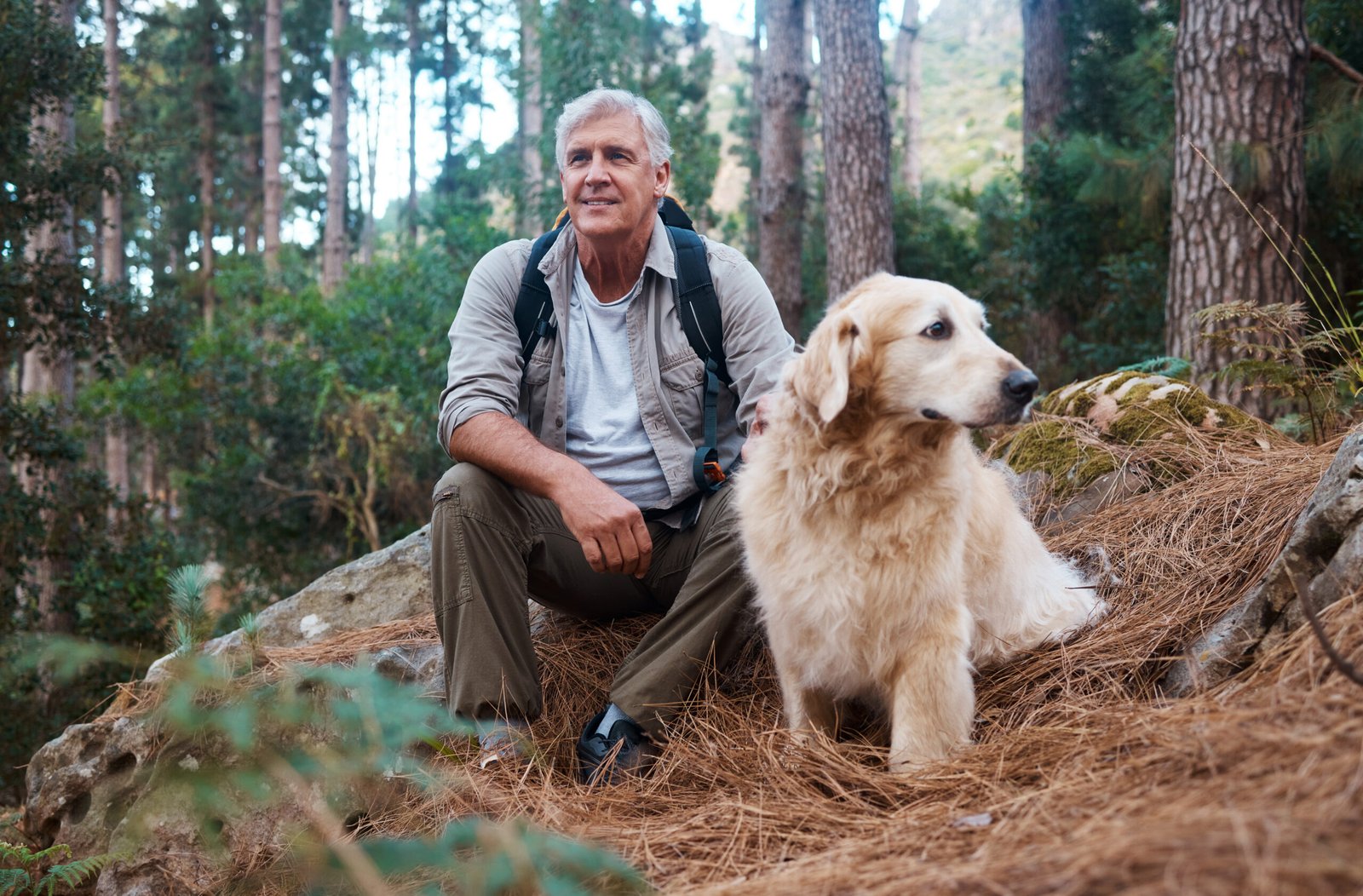
At Atempo Natural, we’ve crafted a superior NAD+ supplement to help you feel your best. With a formula designed to boost energy, support healthy ageing, and protect your cells, this product delivers results you can trust. Moreover, our NAD+ supplement combines high-quality precursors with natural, proven ingredients to enhance its effectiveness. And, as always, we use no fillers—just pure ingredients that work. When you choose Atempo Naturals, you choose a product backed by science and created with care.
NAD+ plays a vital role in producing energy for your body. Specifically, it powers your cells’ mitochondria, helping convert food into fuel. As your NAD+ levels increase, your body creates more energy, leaving you feeling less tired and more ready to tackle your day. Therefore, this supplement is an excellent choice if you’re looking to reduce fatigue and improve stamina.
As you grow older, your body naturally produces less NAD+. Consequently, this decline can lead to slower cell repair and increased damage over time. However, restoring NAD+ levels helps protect your cells, reduce oxidative stress, and promote cellular renewal. With consistent use, this supplement supports graceful aging, allowing you to feel and look your best as the years go by.
NAD+ also benefits your brain. It improves how neurons communicate, which enhances memory, focus, and overall mental clarity. Additionally, NAD+ helps your brain handle stress more efficiently. Because of this, many users report feeling sharper and more alert after adding this supplement to their routine.
Metabolism plays a key role in your overall health, and NAD+ is essential for keeping it running smoothly. For example, it helps your body break down fats and sugars, which supports better weight management and reduces inflammation. As a result, consistent NAD+ supplementation can help regulate blood sugar, boost energy balance, and improve metabolic efficiency.
When you exercise, your muscles work hard and need support to recover. NAD+ improves this process by helping your cells create energy more effectively. In turn, this reduces muscle soreness and fatigue, making it ideal for athletes or anyone who leads an active lifestyle.
Your cells face constant stress from the environment and aging. NAD+ works by activating proteins called sirtuins, which repair cells and protect them from damage. Moreover, sirtuins strengthen your immune system, making it easier for your body to fight off illnesses and handle daily stressors.
To further boost the benefits of NAD+, Atempo Naturals includes powerful supporting ingredients:
Each ingredient is carefully chosen to maximize the effects of NAD+, creating a comprehensive formula for energy, longevity, and cellular health.
Extensive research confirms the benefits of NAD+ and its supporting ingredients:
At Atempo Natural, we’ve crafted a superior NAD+ supplement to help you feel your best. With a formula designed to boost energy, support healthy ageing, and protect your cells, this product delivers results you can trust. Moreover, our NAD+ supplement combines high-quality precursors with natural, proven ingredients to enhance its effectiveness. And, as always, we use no fillers—just pure ingredients that work. When you choose Atempo Naturals, you choose a product backed by science and created with care.
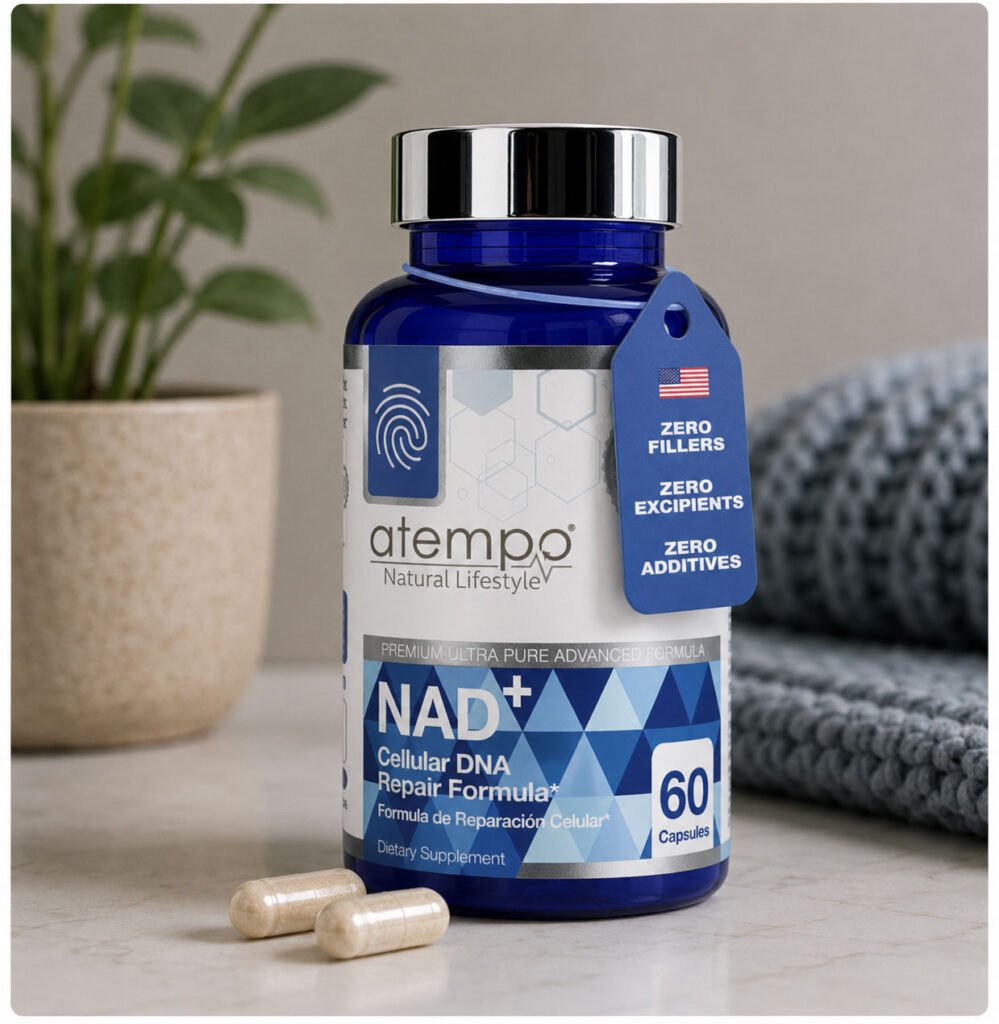
At Atempo Natural, we’ve crafted a superior NAD+ supplement to help you feel your best. With a formula designed to boost energy, support healthy ageing, and protect your cells, this product delivers results you can trust. Moreover, our NAD+ supplement combines high-quality precursors with natural, proven ingredients to enhance its effectiveness. And, as always, we use no fillers—just pure ingredients that work. When you choose Atempo Naturals, you choose a product backed by science and created with care.
NAD+ plays a vital role in producing energy for your body. Specifically, it powers your cells’ mitochondria, helping convert food into fuel. As your NAD+ levels increase, your body creates more energy, leaving you feeling less tired and more ready to tackle your day. Therefore, this supplement is an excellent choice if you’re looking to reduce fatigue and improve stamina.
As you grow older, your body naturally produces less NAD+. Consequently, this decline can lead to slower cell repair and increased damage over time. However, restoring NAD+ levels helps protect your cells, reduce oxidative stress, and promote cellular renewal. With consistent use, this supplement supports graceful aging, allowing you to feel and look your best as the years go by.
NAD+ also benefits your brain. It improves how neurons communicate, which enhances memory, focus, and overall mental clarity. Additionally, NAD+ helps your brain handle stress more efficiently. Because of this, many users report feeling sharper and more alert after adding this supplement to their routine.
Metabolism plays a key role in your overall health, and NAD+ is essential for keeping it running smoothly. For example, it helps your body break down fats and sugars, which supports better weight management and reduces inflammation. As a result, consistent NAD+ supplementation can help regulate blood sugar, boost energy balance, and improve metabolic efficiency.
When you exercise, your muscles work hard and need support to recover. NAD+ improves this process by helping your cells create energy more effectively. In turn, this reduces muscle soreness and fatigue, making it ideal for athletes or anyone who leads an active lifestyle.
Your cells face constant stress from the environment and aging. NAD+ works by activating proteins called sirtuins, which repair cells and protect them from damage. Moreover, sirtuins strengthen your immune system, making it easier for your body to fight off illnesses and handle daily stressors.
Extensive research confirms the benefits of NAD+ and its supporting ingredients:
[1] A. Biţă et al., “Nicotinamide Riboside, a Promising Vitamin B3 Derivative for Healthy Aging and Longevity: Current Research and Perspectives,” Molecules, vol. 28, no. 16, p. 6078, Aug. 2023, doi: 10.3390/molecules28166078. Available: https://pmc.ncbi.nlm.nih.gov/articles/PMC10459282/.
[2] K. A. Freeberg, C. C. Udovich, C. R. Martens, D. R. Seals, and D. H. Craighead, “Dietary Supplementation With NAD+-Boosting Compounds in Humans: Current Knowledge and Future Directions,” J. Gerontol. A. Biol. Sci. Med. Sci., vol. 78, no. 12, p. 2435, Apr. 2023, doi: 10.1093/gerona/glad106. Available: https://pmc.ncbi.nlm.nih.gov/articles/PMC10692436/.
[3] S. E. Airhart et al., “An open-label, non-randomized study of the pharmacokinetics of the nutritional supplement nicotinamide riboside (NR) and its effects on blood NAD+ levels in healthy volunteers,” PLoS ONE, vol. 12, no. 12, p. e0186459, Dec. 2017, doi: 10.1371/journal.pone.0186459. Available: https://pmc.ncbi.nlm.nih.gov/articles/PMC5718430/.
[4] N. F. and F. A. (NDA) EFSA Panel on Nutrition et al., “Extension of use of nicotinamide riboside chloride as a novel food pursuant to Regulation (EU) 2015/2283,” EFSA J., vol. 19, no. 11, p. e06843, Nov. 2021, doi: 10.2903/j.efsa.2021.6843. Available: https://pmc.ncbi.nlm.nih.gov/articles/PMC8586847/.
[5] M. F. Murray, “Nicotinamide: An Oral Antimicrobial Agent with Activity against Both Mycobacterium tuberculosis and Human Immunodeficiency Virus,” Clin. Infect. Dis., vol. 36, no. 4, pp. 453–460, Feb. 2003, doi: 10.1086/367544. Available: https://doi.org/10.1086/367544.
[6] P. Kyme et al., “C/EBPε mediates nicotinamide-enhanced clearance of Staphylococcus aureus in mice,” J. Clin. Invest., vol. 122, no. 9, p. 3316, Aug. 2012, doi: 10.1172/JCI62070. Available: https://pmc.ncbi.nlm.nih.gov/articles/PMC3428083/.
[7] F. Ren et al., “Niacin analogue, 6-Aminonicotinamide, a novel inhibitor of hepatitis B virus replication and HBsAg production,” EBioMedicine, vol. 49, p. 232, Oct. 2019, doi: 10.1016/j.ebiom.2019.10.022. Available: https://pmc.ncbi.nlm.nih.gov/articles/PMC6945246/.
[8] C. D. Heer et al., “Coronavirus infection and PARP expression dysregulate the NAD metabolome: An actionable component of innate immunity,” J. Biol. Chem., vol. 295, no. 52, p. 17986, Jan. 2021, doi: 10.1074/jbc.RA120.015138. Available: https://pmc.ncbi.nlm.nih.gov/articles/PMC7834058/.
[9] M. A. Gharote, “Role of poly (ADP) ribose polymerase-1 inhibition by nicotinamide as a possible additive treatment to modulate host immune response and prevention of cytokine storm in COVID-19,” Indian J. Med. Sci., vol. 72, no. 1, p. 25, Apr. 2020, doi: 10.25259/IJMS_29_2020. Available: https://pmc.ncbi.nlm.nih.gov/articles/PMC7217270/.
[10] W. L. Stone, H. Basit, M. Zubair, and B. Burns, “Pathology, Inflammation,” in StatPearls, Treasure Island (FL): StatPearls Publishing, 2024. Available: http://www.ncbi.nlm.nih.gov/books/NBK534820/.
[11] N. Braidy and Y. Liu, “NAD+ therapy in age-related degenerative disorders: A benefit/risk analysis,” Exp. Gerontol., vol. 132, p. 110831, Apr. 2020, doi: 10.1016/j.exger.2020.110831. Available: https://www.sciencedirect.com/science/article/pii/S0531556519307582.
[12] B. Zhou et al., “Boosting NAD level suppresses inflammatory activation of PBMCs in heart failure,” J. Clin. Invest., vol. 130, no. 11, p. 6054, Oct. 2020, doi: 10.1172/JCI138538. Available: https://pmc.ncbi.nlm.nih.gov/articles/PMC7598081/.
[13] D. D. Wang et al., “Safety and Tolerability of Nicotinamide Riboside in Heart Failure With Reduced Ejection Fraction,” JACC Basic Transl. Sci., vol. 7, no. 12, p. 1183, Sep. 2022, doi: 10.1016/j.jacbts.2022.06.012. Available: https://pmc.ncbi.nlm.nih.gov/articles/PMC9831861/.
[14] J. Wu et al., “Boosting NAD+ blunts TLR4-induced type I IFN in control and systemic lupus erythematosus monocytes,” J. Clin. Invest., vol. 132, no. 5, p. e139828, Mar. 2022, doi: 10.1172/JCI139828. Available: https://pmc.ncbi.nlm.nih.gov/articles/PMC8884917/.
[15] B. Brakedal et al., “The NADPARK study: A randomized phase I trial of nicotinamide riboside supplementation in Parkinson’s disease,” Cell Metab., vol. 34, no. 3, pp. 396-407.e6, Mar. 2022, doi: 10.1016/j.cmet.2022.02.001. Available: https://www.cell.com/cell-metabolism/abstract/S1550-4131(22)00045-6.
[16] Y. S. Elhassan et al., “Nicotinamide Riboside Augments the Aged Human Skeletal Muscle NAD+ Metabolome and Induces Transcriptomic and Anti-inflammatory Signatures,” Cell Rep., vol. 28, no. 7, p. 1717, Aug. 2019, doi: 10.1016/j.celrep.2019.07.043. Available: https://pmc.ncbi.nlm.nih.gov/articles/PMC6702140/.
[17] M. V. Damgaard and J. T. Treebak, “What is really known about the effects of nicotinamide riboside supplementation in humans,” Sci. Adv., vol. 9, no. 29, p. eadi4862, Jul. 2023, doi: 10.1126/sciadv.adi4862. Available: https://pmc.ncbi.nlm.nih.gov/articles/PMC10361580/.
[18] S.-J. Lin, P.-A. Defossez, and L. Guarente, “Requirement of NAD and SIR2 for Life-Span Extension by Calorie Restriction in Saccharomyces cerevisiae,” Science, vol. 289, no. 5487, pp. 2126–2128, Sep. 2000, doi: 10.1126/science.289.5487.2126. Available: https://www.science.org/doi/10.1126/science.289.5487.2126.
[19] P. Belenky, F. G. Racette, K. L. Bogan, J. M. McClure, J. S. Smith, and C. Brenner, “Nicotinamide Riboside Promotes Sir2 Silencing and Extends Lifespan via Nrk and Urh1/Pnp1/Meu1 Pathways to NAD+,” Cell, vol. 129, no. 3, pp. 473–484, May 2007, doi: 10.1016/j.cell.2007.03.024. Available: https://www.cell.com/cell/abstract/S0092-8674(07)00390-X.
[20] M. Mehmel, N. Jovanović, and U. Spitz, “Nicotinamide Riboside—The Current State of Research and Therapeutic Uses,” Nutrients, vol. 12, no. 6, p. 1616, May 2020, doi: 10.3390/nu12061616. Available: https://pmc.ncbi.nlm.nih.gov/articles/PMC7352172/.
[21] C. R. Martens et al., “Chronic nicotinamide riboside supplementation is well-tolerated and elevates NAD+ in healthy middle-aged and older adults,” Nat. Commun., vol. 9, p. 1286, Mar. 2018, doi: 10.1038/s41467-018-03421-7. Available: https://pmc.ncbi.nlm.nih.gov/articles/PMC5876407/.
[22] H. Zhang et al., “NAD+ repletion improves mitochondrial and stem cell function and enhances life span in mice,” Science, vol. 352, no. 6292, pp. 1436–1443, Jun. 2016, doi: 10.1126/science.aaf2693
[23] D. Ryu et al., “NAD+ repletion improves muscle function in muscular dystrophy and counters global PARylation,” Sci. Transl. Med., vol. 8, no. 361, p. 361ra139, Oct. 2016, doi: 10.1126/scitranslmed.aaf5504. Available: https://pmc.ncbi.nlm.nih.gov/articles/PMC5535761/.
[24] M. F. Goody, M. W. Kelly, C. J. Reynolds, A. Khalil, B. D. Crawford, and C. A. Henry, “NAD+ Biosynthesis Ameliorates a Zebrafish Model of Muscular Dystrophy,” PLoS Biol., vol. 10, no. 10, p. e1001409, Oct. 2012, doi: 10.1371/journal.pbio.1001409. Available: https://pmc.ncbi.nlm.nih.gov/articles/PMC3479101/.
[25] L. Rajman, K. Chwalek, and D. A. Sinclair, “Therapeutic potential of NAD-boosting molecules: the in vivo evidence,” Cell Metab., vol. 27, no. 3, p. 529, Mar. 2018, doi: 10.1016/j.cmet.2018.02.011. Available: https://pmc.ncbi.nlm.nih.gov/articles/PMC6342515/.
[26] D. L. Damian, C. R. S. Patterson, M. Stapelberg, J. Park, R. S. C. Barnetson, and G. M. Halliday, “UV Radiation-Induced Immunosuppression Is Greater in Men and Prevented by Topical Nicotinamide,” J. Invest. Dermatol., vol. 128, no. 2, pp. 447–454, Feb. 2008, doi: 10.1038/sj.jid.5701058. Available: https://www.jidonline.org/article/S0022-202X(15)33733-7/fulltext.
[27] A. C. Chen et al., “A Phase 3 Randomized Trial of Nicotinamide for Skin-Cancer Chemoprevention,” N. Engl. J. Med., vol. 373, no. 17, pp. 1618–1626, Oct. 2015, doi: 10.1056/NEJMoa1506197. Available: https://www.nejm.org/doi/full/10.1056/NEJMoa1506197.
[28] D. Surjana, G. M. Halliday, and D. L. Damian, “Nicotinamide enhances repair of ultraviolet radiation-induced DNA damage in human keratinocytes and ex vivo skin,” Carcinogenesis, vol. 34, no. 5, pp. 1144–1149, May 2013, doi: 10.1093/carcin/bgt017. Available: https://doi.org/10.1093/carcin/bgt017.
[29] D. Moon, D. McCormack, D. McDonald, and D. McFadden, “Pterostilbene induces mitochondrially derived apoptosis in breast cancer cells in vitro,” J. Surg. Res., vol. 180, no. 2, pp. 208–215, Apr. 2013, doi: 10.1016/j.jss.2012.04.027
[30] P. Mannal, D. McDonald, and D. McFadden, “Pterostilbene and tamoxifen show an additive effect against breast cancer in vitro,” Am. J. Surg., vol. 200, no. 5, pp. 577–580, Nov. 2010, doi: 10.1016/j.amjsurg.2010.07.022. Available: https://www.americanjournalofsurgery.com/article/S0002-9610(10)00466-6/abstract.
[31] D. McCormack and D. McFadden, “A Review of Pterostilbene Antioxidant Activity and Disease Modification,” Oxid. Med. Cell. Longev., vol. 2013, p. 575482, Apr. 2013, doi: 10.1155/2013/575482. Available: https://pmc.ncbi.nlm.nih.gov/articles/PMC3649683/.
[32] R. W. Dellinger et al., “Repeat dose NRPT (nicotinamide riboside and pterostilbene) increases NAD+ levels in humans safely and sustainably: a randomized, double-blind, placebo-controlled study,” NPJ Aging Mech. Dis., vol. 3, p. 17, Nov. 2017, doi: 10.1038/s41514-017-0016-9. Available: https://pmc.ncbi.nlm.nih.gov/articles/PMC5701244/.
[33] J. B. Jensen et al., “A randomized placebo-controlled trial of nicotinamide riboside and pterostilbene supplementation in experimental muscle injury in elderly individuals,” JCI Insight, vol. 7, no. 19, p. e158314, Oct. 2022, doi: 10.1172/jci.insight.158314
[34] J. E. de la Rubia et al., “Efficacy and tolerability of EH301 for amyotrophic lateral sclerosis: a randomized, double-blind, placebo-controlled human pilot study,” Amyotroph. Lateral Scler. Front. Degener., vol. 20, no. 1–2, pp. 115–122, Feb. 2019, doi: 10.1080/21678421.2018.1536152
[35] R. W. Dellinger et al., “Nicotinamide riboside and pterostilbene reduces markers of hepatic inflammation in NAFLD: A double-blind, placebo-controlled clinical trial,” Hepatol. Baltim. Md, vol. 78, no. 3, pp. 863–877, Sep. 2023, doi: 10.1002/hep.32778
[36] J. Allen and R. D. Bradley, “Effects of Oral Glutathione Supplementation on Systemic Oxidative Stress Biomarkers in Human Volunteers,” J. Altern. Complement. Med., vol. 17, no. 9, p. 827, Sep. 2011, doi: 10.1089/acm.2010.0716. Available: https://pmc.ncbi.nlm.nih.gov/articles/PMC3162377/.
[37] S. Kalamkar et al., “Randomized Clinical Trial of How Long-Term Glutathione Supplementation Offers Protection from Oxidative Damage and Improves HbA1c in Elderly Type 2 Diabetic Patients,” Antioxidants, vol. 11, no. 5, p. 1026, May 2022, doi: 10.3390/antiox11051026. Available: https://pmc.ncbi.nlm.nih.gov/articles/PMC9137531/.
[38] S. D. Søndergård et al., “The effects of 3 weeks of oral glutathione supplementation on whole body insulin sensitivity in obese males with and without type 2 diabetes: a randomized trial,” Appl. Physiol. Nutr. Metab. Physiol. Appl. Nutr. Metab., vol. 46, no. 9, pp. 1133–1142, Sep. 2021, doi: 10.1139/apnm-2020-1099
[39] K. Sasaninia et al., “Liposomal Glutathione Supplementation Mitigates Extrapulmonary Tuberculosis in the Liver and Spleen,” Front. Biosci. Elite Ed., vol. 15, no. 3, p. 15, Jul. 2023, doi: 10.31083/j.fbe1503015
[40] R. Sinha et al., “Oral supplementation with liposomal glutathione elevates body stores of glutathione and markers of immune function,” Eur. J. Clin. Nutr., vol. 72, no. 1, p. 105, Aug. 2017, doi: 10.1038/ejcn.2017.132. Available: https://pmc.ncbi.nlm.nih.gov/articles/PMC6389332/.
[41] S. Weschawalit, S. Thongthip, P. Phutrakool, and P. Asawanonda, “Glutathione and its antiaging and antimelanogenic effects,” Clin. Cosmet. Investig. Dermatol., vol. 10, p. 147, Apr. 2017, doi: 10.2147/CCID.S128339. Available: https://pmc.ncbi.nlm.nih.gov/articles/PMC5413479/.
[42] F. Aghababaei and M. Hadidi, “Recent Advances in Potential Health Benefits of Quercetin,” Pharmaceuticals, vol. 16, no. 7, p. 1020, Jul. 2023, doi: 10.3390/ph16071020. Available: https://pmc.ncbi.nlm.nih.gov/articles/PMC10384403/.
[43] Y. Cao et al., “Quercetin promotes in vitro maturation of oocytes from humans and aged mice,” Cell Death Dis., vol. 11, no. 11, p. 965, Nov. 2020, doi: 10.1038/s41419-020-03183-5
[44] K. M. Surapaneni, V. V. Priya, and J. Mallika, “Pioglitazone, quercetin and hydroxy citric acid effect on cytochrome P450 2E1 (CYP2E1) enzyme levels in experimentally induced non alcoholic steatohepatitis (NASH),” Eur. Rev. Med. Pharmacol. Sci., vol. 18, no. 18, pp. 2736–2741, 2014.
[45] W. Wang, B.-L. Ma, C.-G. Xu, and X.-J. Zhou, “Dihydroquercetin protects against renal fibrosis by activating the Nrf2 pathway,” Phytomedicine Int. J. Phytother. Phytopharm., vol. 69, p. 153185, Apr. 2020, doi: 10.1016/j.phymed.2020.153185
[46] V. Singh, G. Chauhan, and R. Shri, “Anti-depressant like effects of quercetin 4’-O-glucoside from Allium cepa via regulation of brain oxidative stress and monoamine levels in mice subjected to unpredictable chronic mild stress,” Nutr. Neurosci., vol. 24, no. 1, pp. 35–44, Jan. 2021, doi: 10.1080/1028415X.2019.1587247
[47] T. Guan et al., “Effects of quercetin on the alterations of serum elements in chronic unpredictable mild stress-induced depressed rats,” Biometals Int. J. Role Met. Ions Biol. Biochem. Med., vol. 34, no. 3, pp. 589–602, Jun. 2021, doi: 10.1007/s10534-021-00298-w
[48] I. Holzmann, L. M. da Silva, J. A. Corrêa da Silva, V. M. B. Steimbach, and M. M. de Souza, “Antidepressant-like effect of quercetin in bulbectomized mice and involvement of the antioxidant defenses, and the glutamatergic and oxidonitrergic pathways,” Pharmacol. Biochem. Behav., vol. 136, pp. 55–63, Sep. 2015, doi: 10.1016/j.pbb.2015.07.003
[49] J. Cai, K. C. Nelson, M. Wu, P. Sternberg, and D. P. Jones, “Oxidative damage and protection of the RPE,” Prog. Retin. Eye Res., vol. 19, no. 2, pp. 205–221, Mar. 2000, doi: 10.1016/s1350-9462(99)00009-9
[50] A. Kumar and P. K. Maurya, “Quercetin Mitigates Red Blood Cell Membrane Bound Na+, K+-ATPase Transporter During Human Aging,” J. Membr. Biol., vol. 254, no. 5–6, pp. 459–462, Dec. 2021, doi: 10.1007/s00232-021-00200-2
[51] R. Kotecha, A. Takami, and J. L. Espinoza, “Dietary phytochemicals and cancer chemoprevention: a review of the clinical evidence,” Oncotarget, vol. 7, no. 32, pp. 52517–52529, May 2016, doi: 10.18632/oncotarget.9593. Available: https://www.ncbi.nlm.nih.gov/pmc/articles/PMC5239570/.
[52] R. G. Britton, C. Kovoor, and K. Brown, “Direct molecular targets of resveratrol: identifying key interactions to unlock complex mechanisms,” Ann. N. Y. Acad. Sci., vol. 1348, no. 1, pp. 124–133, 2015, doi: 10.1111/nyas.12796. Available: https://onlinelibrary.wiley.com/doi/abs/10.1111/nyas.12796.
[53] A. Movahed et al., “Antihyperglycemic Effects of Short Term Resveratrol Supplementation in Type 2 Diabetic Patients,” Evid.-Based Complement. Altern. Med. ECAM, vol. 2013, p. 851267, 2013, doi: 10.1155/2013/851267. Available: https://www.ncbi.nlm.nih.gov/pmc/articles/PMC3773903/.
[54] R. S. Turner et al., “A randomized, double-blind, placebo-controlled trial of resveratrol for Alzheimer disease,” Neurology, vol. 85, no. 16, pp. 1383–1391, Oct. 2015, doi: 10.1212/WNL.0000000000002035. Available: https://www.ncbi.nlm.nih.gov/pmc/articles/PMC4626244/.
[55] V. A. Brown et al., “Repeat Dose Study of the Cancer Chemopreventive Agent Resveratrol in Healthy Volunteers: Safety, Pharmacokinetics and Effect on the Insulin-like Growth Factor Axis,” Cancer Res., vol. 70, no. 22, pp. 9003–9011, Nov. 2010, doi: 10.1158/0008-5472.CAN-10-2364. Available: https://www.ncbi.nlm.nih.gov/pmc/articles/PMC2982884/.
[56] J. L. Espinoza et al., “The Repeated Administration of Resveratrol Has Measurable Effects on Circulating T-Cell Subsets in Humans,” Oxid. Med. Cell. Longev., vol. 2017, p. 6781872, 2017, doi: 10.1155/2017/6781872. Available: https://www.ncbi.nlm.nih.gov/pmc/articles/PMC5435979/.
[57] J. M. Walker et al., “The effects of trans-resveratrol on insulin resistance, inflammation, and microbiota in men with the metabolic syndrome: A pilot randomized, placebo-controlled clinical trial,” J. Clin. Transl. Res., vol. 4, no. 2, pp. 122–135, Jan. 2019.
[58] M. Koushki, N. Amiri-Dashatan, N. Ahmadi, H.-A. Abbaszadeh, and M. Rezaei-Tavirani, “Resveratrol: A miraculous natural compound for diseases treatment,” Food Sci. Nutr., vol. 6, no. 8, pp. 2473–2490, 2018, doi: 10.1002/fsn3.855. Available: https://onlinelibrary.wiley.com/doi/abs/10.1002/fsn3.855.
[59] A. Bryl, M. Falkowski, K. Zorena, and M. Mrugacz, “The Role of Resveratrol in Eye Diseases-A Review of the Literature,” Nutrients, vol. 14, no. 14, p. 2974, Jul. 2022, doi: 10.3390/nu14142974
[60] B. Sood, P. Patel, and M. Keenaghan, “Coenzyme Q10,” in StatPearls, Treasure Island (FL): StatPearls Publishing, 2024. Available: http://www.ncbi.nlm.nih.gov/books/NBK531491/.
[61] “Correction to: 2022 AHA/ACC/HFSA Guideline for the Management of Heart Failure: A Report of the American College of Cardiology/American Heart Association Joint Committee on Clinical Practice Guidelines,” Circulation, vol. 146, no. 13, p. e185, Sep. 2022, doi: 10.1161/CIR.0000000000001097
[62] K. Mizuno et al., “Antifatigue effects of coenzyme Q10 during physical fatigue,” Nutr. Burbank Los Angel. Cty. Calif, vol. 24, no. 4, pp. 293–299, Apr. 2008, doi: 10.1016/j.nut.2007.12.007
[63] Y. Yagishita, J. W. Fahey, A. T. Dinkova-Kostova, and T. W. Kensler, “Broccoli or Sulforaphane: Is It the Source or Dose That Matters?,” Mol. Basel Switz., vol. 24, no. 19, p. 3593, Oct. 2019, doi: 10.3390/molecules24193593
[64] M. Kikuchi et al., “Sulforaphane-rich broccoli sprout extract improves hepatic abnormalities in male subjects,” World J. Gastroenterol., vol. 21, no. 43, pp. 12457–12467, Nov. 2015, doi: 10.3748/wjg.v21.i43.12457
[65] B. Mao et al., “The Protective Effect of Broccoli Seed Extract against Lipopolysaccharide-Induced Acute Liver Injury via Gut Microbiota Modulation and Sulforaphane Production in Mice,” Foods Basel Switz., vol. 12, no. 14, p. 2786, Jul. 2023, doi: 10.3390/foods12142786
[66] R. Simeonova, V. M. Bratkov, M. Kondeva-Burdina, V. Vitcheva, V. Manov, and I. Krasteva, “Experimental liver protection of n-butanolic extract of Astragalus monspessulanus L. on carbon tetrachloride model of toxicity in rat,” Redox Rep. Commun. Free Radic. Res., vol. 20, no. 4, pp. 145–153, Jul. 2015, doi: 10.1179/1351000214Y.0000000115
[67] T. Chen et al., “Protective Effect of Astragaloside IV Against Paraquat-Induced Lung Injury in Mice by Suppressing Rho Signaling,” Inflammation, vol. 39, no. 1, pp. 483–492, Feb. 2016, doi: 10.1007/s10753-015-0272-4
[68] C. Ji, Y. Luo, C. Zou, L. Huang, R. Tian, and Z. Lu, “Effect of astragaloside IV on indoxyl sulfate-induced kidney injury in mice via attenuation of oxidative stress,” BMC Pharmacol. Toxicol., vol. 19, no. 1, p. 53, Sep. 2018, doi: 10.1186/s40360-018-0241-2
[69] T.-S. Yeh, T.-H. Lei, M. J. Barnes, and L. Zhang, “Astragalosides Supplementation Enhances Intrinsic Muscle Repair Capacity Following Eccentric Exercise-Induced Injury,” Nutrients, vol. 14, no. 20, p. 4339, Oct. 2022, doi: 10.3390/nu14204339
[70] Y. Chi and A. A. Sauve, “Nicotinamide riboside, a trace nutrient in foods, is a Vitamin B3 with effects on energy metabolism and neuroprotection,” Curr. Opin. Clin. Nutr. Metab. Care, vol. 16, no. 6, p. 657, Nov. 2013, doi: 10.1097/MCO.0b013e32836510c0. Available: https://journals.lww.com/co-clinicalnutrition/abstract/2013/11000/nicotinamide_riboside,_a_trace_nutrient_in_foods,.9.aspx.
[71] U. Joshi et al., “Targeting sirtuin activity with nicotinamide riboside reduces neuroinflammation in a GWI mouse model,” NeuroToxicology, vol. 79, pp. 84–94, Jul. 2020, doi: 10.1016/j.neuro.2020.04.006. Available: https://www.sciencedirect.com/science/article/pii/S0161813X20300656.
[72] B. A. Harlan, K. M. Killoy, M. Pehar, L. Liu, J. Auwerx, and M. R. Vargas, “Evaluation of the NAD+ biosynthetic pathway in ALS patients and effect of modulating NAD+ levels in hSOD1-linked ALS mouse models,” Exp. Neurol., vol. 327, p. 113219, Jan. 2020, doi: 10.1016/j.expneurol.2020.113219. Available: https://pmc.ncbi.nlm.nih.gov/articles/PMC7089832/.
[73] M. V. Hamity, S. R. White, R. Y. Walder, M. S. Schmidt, C. Brenner, and D. L. Hammond, “Nicotinamide riboside, a form of vitamin B3 and NAD+ precursor, relieves the nociceptive and aversive dimensions of paclitaxel-induced peripheral neuropathy in female rats,” PAIN, vol. 158, no. 5, p. 962, May 2017, doi: 10.1097/j.pain.0000000000000862. Available: https://journals.lww.com/pain/abstract/2017/05000/nicotinamide_riboside,_a_form_of_vitamin_b3_and.22.aspx.
[74] S. Goulart Nacácio e Silva, M. L. Occhiutto, and V. P. Costa, “The use of Nicotinamide and Nicotinamide riboside as an adjunct therapy in the treatment of glaucoma,” Eur. J. Ophthalmol., vol. 33, no. 5, pp. 1801–1815, Sep. 2023, doi: 10.1177/11206721231161101. Available: https://doi.org/10.1177/11206721231161101.
[75] C. K. S. Leung et al., “Nicotinamide riboside as a neuroprotective therapy for glaucoma: study protocol for a randomized, double-blind, placebo-control trial,” Trials, vol. 23, p. 45, Jan. 2022, doi: 10.1186/s13063-021-05968-1. Available: https://pmc.ncbi.nlm.nih.gov/articles/PMC8762963/.
dysfunction that contribute to disease progression [9].
Extensive research confirms the benefits of NAD+ and its supporting ingredients: