Enjoy free shipping on orders of $50+
Atempo Natural NAD+ helps restore NAD+ levels to support energy, brain health, cellular repair, and healthy aging. Enriched with pterostilbene, quercetin, broccoli extract, and glutathione, it provides additional support for longevity and cellular health. Pure, high-quality nutrition with no fillers.
$61.99 Original price was: $61.99.$44.99Current price is: $44.99. — or $61.99 Original price was: $61.99.$40.49Current price is: $40.49. / month
💰 By purchasing this product you gain points. View more
✓ 60-Day money back guarantee*
60-Day
Money-Back Guarantee
Satisfaction
Guaranteed
FREE Shipping
$50+
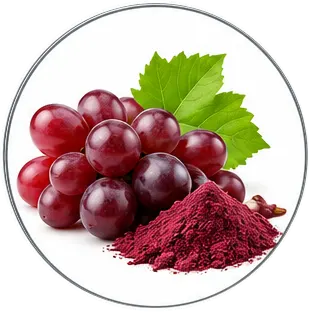
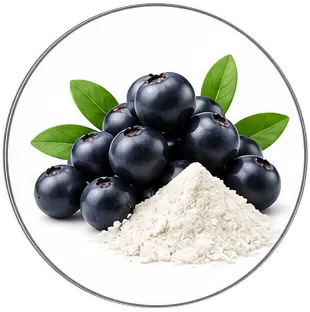
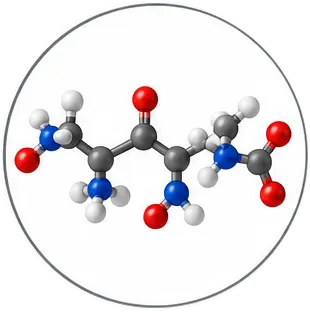
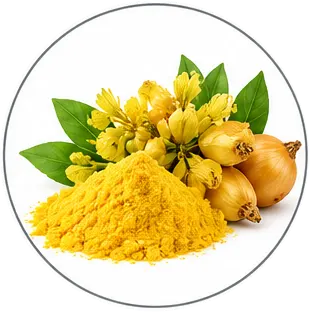
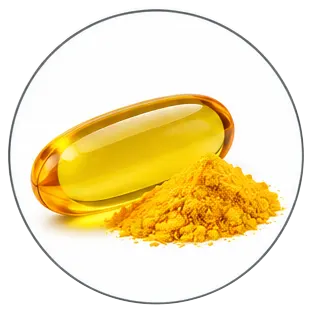
A polyphenol found in grapes, resveratrol activates sirtuins and amplifies the effects of NAD+. It supports cardiovascular health and reduces inflammation.
Chemically similar to resveratrol, it offers potent antioxidant and anti inflammatory properties, further boosting sirtuin activity.
The “master antioxidant,” detoxifies cells, reduces oxidative stress, and supports immune function, ultimately preserving cellular integrity.
Por qué lo usamos:
Explica aquí por qué se usa este ingrediente.
A powerful flavonoid, quercetin reduces inflammation, combats free radicals, and enhances the body's natural NAD+ production.
Essential for mitochondrial energy production, CoQ10 works synergistically with NAD+ to enhance cellular energy and protect against oxidative damage.
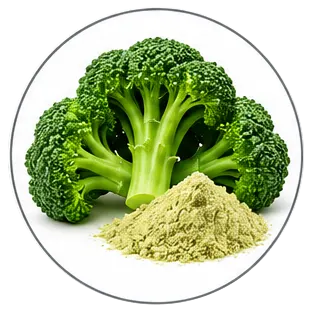
Supports detoxification pathways and activates NRF2, a protein that regulates antioxidant responses and helps repair damaged DNA.
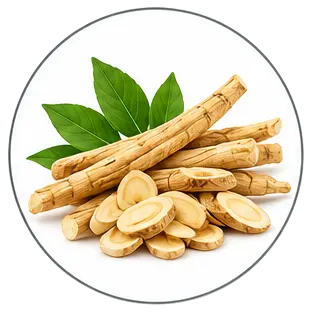
A traditional herb with anti-aging properties, supports immune health and preserves telomeres—the protective caps on DNA that shorten with age.
A. Biţă et al., “Nicotinamide Riboside, a Promising Vitamin B3 Derivative for Healthy Aging and Longevity: Current Research and Perspectives,” Molecules, vol. 28, no. 16, p. 6078, Aug. 2023, doi: 10.3390/molecules28166078
Read study ↗K. A. Freeberg, C. C. Udovich, C. R. Martens, D. R. Seals, and D. H. Craighead, “Dietary Supplementation With NAD+-Boosting Compounds in Humans: Current Knowledge and Future Directions,” J. Gerontol. A. Biol. Sci. Med. Sci., vol. 78, no. 12, p. 2435, Apr. 2023, doi: 10.1093/gerona/glad106
Read study ↗S. E. Airhart et al., “An open-label, non-randomized study of the pharmacokinetics of the nutritional supplement nicotinamide riboside (NR) and its effects on blood NAD+ levels in healthy volunteers,” PLoS ONE, vol. 12, no. 12, p. e0186459, Dec. 2017, doi: 10.1371/journal.pone.0186459
Read study ↗N. F. and F. A. (NDA) EFSA Panel on Nutrition et al., “Extension of use of nicotinamide riboside chloride as a novel food pursuant to Regulation (EU) 2015/2283,” EFSA J., vol. 19, no. 11, p. e06843, Nov. 2021, doi: 10.2903/j.efsa.2021.6843
Read study ↗M. F. Murray, “Nicotinamide: An Oral Antimicrobial Agent with Activity against Both Mycobacterium tuberculosis and Human Immunodeficiency Virus,” Clin. Infect. Dis., vol. 36, no. 4, pp. 453–460, Feb. 2003, doi: 10.1086/367544
Read study ↗P. Kyme et al., “C/EBPε mediates nicotinamide-enhanced clearance of Staphylococcus aureus in mice,” J. Clin. Invest., vol. 122, no. 9, p. 3316, Aug. 2012, doi: 10.1172/JCI62070
Read study ↗F. Ren et al., “Niacin analogue, 6-Aminonicotinamide, a novel inhibitor of hepatitis B virus replication and HBsAg production,” EBioMedicine, vol. 49, p. 232, Oct. 2019, doi: 10.1016/j.ebiom.2019.10.022
Read study ↗C. D. Heer et al., “Coronavirus infection and PARP expression dysregulate the NAD metabolome: An actionable component of innate immunity,” J. Biol. Chem., vol. 295, no. 52, p. 17986, Jan. 2021, doi: 10.1074/jbc.RA120.015138
Read study ↗M. A. Gharote, “Role of poly (ADP) ribose polymerase-1 inhibition by nicotinamide as a possible additive treatment to modulate host immune response and prevention of cytokine storm in COVID-19,” Indian J. Med. Sci., vol. 72, no. 1, p. 25, Apr. 2020, doi: 10.25259/IJMS_29_2020
Read study ↗W. L. Stone, H. Basit, M. Zubair, and B. Burns, “Pathology, Inflammation,” in StatPearls, Treasure Island (FL): StatPearls Publishing, 2024
Read study ↗N. Braidy and Y. Liu, “NAD+ therapy in age-related degenerative disorders: A benefit/risk analysis,” Exp. Gerontol., vol. 132, p. 110831, Apr. 2020, doi: 10.1016/j.exger.2020.110831
Read study ↗B. Zhou et al., “Boosting NAD level suppresses inflammatory activation of PBMCs in heart failure,” J. Clin. Invest., vol. 130, no. 11, p. 6054, Oct. 2020, doi: 10.1172/JCI138538
Read study ↗D. D. Wang et al., “Safety and Tolerability of Nicotinamide Riboside in Heart Failure With Reduced Ejection Fraction,” JACC Basic Transl. Sci., vol. 7, no. 12, p. 1183, Sep. 2022, doi: 10.1016/j.jacbts.2022.06.012
Read study ↗J. Wu et al., “Boosting NAD+ blunts TLR4-induced type I IFN in control and systemic lupus erythematosus monocytes,” J. Clin. Invest., vol. 132, no. 5, p. e139828, Mar. 2022, doi: 10.1172/JCI139828
Read study ↗B. Brakedal et al., “The NADPARK study: A randomized phase I trial of nicotinamide riboside supplementation in Parkinson’s disease,” Cell Metab., vol. 34, no. 3, pp. 396-407.e6, Mar. 2022, doi: 10.1016/j.cmet.2022.02.001. )00045-6
Read study ↗Y. S. Elhassan et al., “Nicotinamide Riboside Augments the Aged Human Skeletal Muscle NAD+ Metabolome and Induces Transcriptomic and Anti-inflammatory Signatures,” Cell Rep., vol. 28, no. 7, p. 1717, Aug. 2019, doi: 10.1016/j.celrep.2019.07.043
Read study ↗M. V. Damgaard and J. T. Treebak, “What is really known about the effects of nicotinamide riboside supplementation in humans,” Sci. Adv., vol. 9, no. 29, p. eadi4862, Jul. 2023, doi: 10.1126/sciadv.adi4862
Read study ↗S.-J. Lin, P.-A. Defossez, and L. Guarente, “Requirement of NAD and SIR2 for Life-Span Extension by Calorie Restriction in Saccharomyces cerevisiae,” Science, vol. 289, no. 5487, pp. 2126–2128, Sep. 2000, doi: 10.1126/science.289.5487.2126
Read study ↗P. Belenky, F. G. Racette, K. L. Bogan, J. M. McClure, J. S. Smith, and C. Brenner, “Nicotinamide Riboside Promotes Sir2 Silencing and Extends Lifespan via Nrk and Urh1/Pnp1/Meu1 Pathways to NAD+,” Cell, vol. 129, no. 3, pp. 473–484, May 2007, doi: 10.1016/j.cell.2007.03.024. )00390-X
Read study ↗M. Mehmel, N. Jovanović, and U. Spitz, “Nicotinamide Riboside—The Current State of Research and Therapeutic Uses,” Nutrients, vol. 12, no. 6, p. 1616, May 2020, doi: 10.3390/nu12061616
Read study ↗C. R. Martens et al., “Chronic nicotinamide riboside supplementation is well-tolerated and elevates NAD+ in healthy middle-aged and older adults,” Nat. Commun., vol. 9, p. 1286, Mar. 2018, doi: 10.1038/s41467-018-03421-7
Read study ↗H. Zhang et al., “NAD+ repletion improves mitochondrial and stem cell function and enhances life span in mice,” Science, vol. 352, no. 6292, pp. 1436–1443, Jun. 2016, doi: 10.1126/science.aaf2693
Read study ↗D. Ryu et al., “NAD+ repletion improves muscle function in muscular dystrophy and counters global PARylation,” Sci. Transl. Med., vol. 8, no. 361, p. 361ra139, Oct. 2016, doi: 10.1126/scitranslmed.aaf5504
Read study ↗M. F. Goody, M. W. Kelly, C. J. Reynolds, A. Khalil, B. D. Crawford, and C. A. Henry, “NAD+ Biosynthesis Ameliorates a Zebrafish Model of Muscular Dystrophy,” PLoS Biol., vol. 10, no. 10, p. e1001409, Oct. 2012, doi: 10.1371/journal.pbio.1001409
Read study ↗L. Rajman, K. Chwalek, and D. A. Sinclair, “Therapeutic potential of NAD-boosting molecules: the in vivo evidence,” Cell Metab., vol. 27, no. 3, p. 529, Mar. 2018, doi: 10.1016/j.cmet.2018.02.011
Read study ↗D. L. Damian, C. R. S. Patterson, M. Stapelberg, J. Park, R. S. C. Barnetson, and G. M. Halliday, “UV Radiation-Induced Immunosuppression Is Greater in Men and Prevented by Topical Nicotinamide,” J. Invest. Dermatol., vol. 128, no. 2, pp. 447–454, Feb. 2008, doi: 10.1038/sj.jid.5701058. )33733-7/fulltext
Read study ↗A. C. Chen et al., “A Phase 3 Randomized Trial of Nicotinamide for Skin-Cancer Chemoprevention,” N. Engl. J. Med., vol. 373, no. 17, pp. 1618–1626, Oct. 2015, doi: 10.1056/NEJMoa1506197
Read study ↗D. Surjana, G. M. Halliday, and D. L. Damian, “Nicotinamide enhances repair of ultraviolet radiation-induced DNA damage in human keratinocytes and ex vivo skin,” Carcinogenesis, vol. 34, no. 5, pp. 1144–1149, May 2013, doi: 10.1093/carcin/bgt017
Read study ↗D. Moon, D. McCormack, D. McDonald, and D. McFadden, “Pterostilbene induces mitochondrially derived apoptosis in breast cancer cells in vitro,” J. Surg. Res., vol. 180, no. 2, pp. 208–215, Apr. 2013, doi: 10.1016/j.jss.2012.04.027
Read study ↗P. Mannal, D. McDonald, and D. McFadden, “Pterostilbene and tamoxifen show an additive effect against breast cancer in vitro,” Am. J. Surg., vol. 200, no. 5, pp. 577–580, Nov. 2010, doi: 10.1016/j.amjsurg.2010.07.022. )00466-6/abstract
Read study ↗D. McCormack and D. McFadden, “A Review of Pterostilbene Antioxidant Activity and Disease Modification,” Oxid. Med. Cell. Longev., vol. 2013, p. 575482, Apr. 2013, doi: 10.1155/2013/575482
Read study ↗R. W. Dellinger et al., “Repeat dose NRPT (nicotinamide riboside and pterostilbene) increases NAD+ levels in humans safely and sustainably: a randomized, double-blind, placebo-controlled study,” NPJ Aging Mech. Dis., vol. 3, p. 17, Nov. 2017, doi: 10.1038/s41514-017-0016-9
Read study ↗J. B. Jensen et al., “A randomized placebo-controlled trial of nicotinamide riboside and pterostilbene supplementation in experimental muscle injury in elderly individuals,” JCI Insight, vol. 7, no. 19, p. e158314, Oct. 2022, doi: 10.1172/jci.insight.158314
Read study ↗J. E. de la Rubia et al., “Efficacy and tolerability of EH301 for amyotrophic lateral sclerosis: a randomized, double-blind, placebo-controlled human pilot study,” Amyotroph. Lateral Scler. Front. Degener., vol. 20, no. 1–2, pp. 115–122, Feb. 2019, doi: 10.1080/21678421.2018.1536152
Read study ↗R. W. Dellinger et al., “Nicotinamide riboside and pterostilbene reduces markers of hepatic inflammation in NAFLD: A double-blind, placebo-controlled clinical trial,” Hepatol. Baltim. Md, vol. 78, no. 3, pp. 863–877, Sep. 2023, doi: 10.1002/hep.32778
Read study ↗J. Allen and R. D. Bradley, “Effects of Oral Glutathione Supplementation on Systemic Oxidative Stress Biomarkers in Human Volunteers,” J. Altern. Complement. Med., vol. 17, no. 9, p. 827, Sep. 2011, doi: 10.1089/acm.2010.0716
Read study ↗S. Kalamkar et al., “Randomized Clinical Trial of How Long-Term Glutathione Supplementation Offers Protection from Oxidative Damage and Improves HbA1c in Elderly Type 2 Diabetic Patients,” Antioxidants, vol. 11, no. 5, p. 1026, May 2022, doi: 10.3390/antiox11051026
Read study ↗S. D. Søndergård et al., “The effects of 3 weeks of oral glutathione supplementation on whole body insulin sensitivity in obese males with and without type 2 diabetes: a randomized trial,” Appl. Physiol. Nutr. Metab. Physiol. Appl. Nutr. Metab., vol. 46, no. 9, pp. 1133–1142, Sep. 2021, doi: 10.1139/apnm-2020-1099
Read study ↗K. Sasaninia et al., “Liposomal Glutathione Supplementation Mitigates Extrapulmonary Tuberculosis in the Liver and Spleen,” Front. Biosci. Elite Ed., vol. 15, no. 3, p. 15, Jul. 2023, doi: 10.31083/j.fbe1503015
Read study ↗R. Sinha et al., “Oral supplementation with liposomal glutathione elevates body stores of glutathione and markers of immune function,” Eur. J. Clin. Nutr., vol. 72, no. 1, p. 105, Aug. 2017, doi: 10.1038/ejcn.2017.132
Read study ↗S. Weschawalit, S. Thongthip, P. Phutrakool, and P. Asawanonda, “Glutathione and its antiaging and antimelanogenic effects,” Clin. Cosmet. Investig. Dermatol., vol. 10, p. 147, Apr. 2017, doi: 10.2147/CCID.S128339
Read study ↗F. Aghababaei and M. Hadidi, “Recent Advances in Potential Health Benefits of Quercetin,” Pharmaceuticals, vol. 16, no. 7, p. 1020, Jul. 2023, doi: 10.3390/ph16071020
Read study ↗Y. Cao et al., “Quercetin promotes in vitro maturation of oocytes from humans and aged mice,” Cell Death Dis., vol. 11, no. 11, p. 965, Nov. 2020, doi: 10.1038/s41419-020-03183-5
Read study ↗K. M. Surapaneni, V. V. Priya, and J. Mallika, “Pioglitazone, quercetin and hydroxy citric acid effect on cytochrome P450 2E1 (CYP2E1) enzyme levels in experimentally induced non alcoholic steatohepatitis (NASH),” Eur. Rev. Med. Pharmacol. Sci., vol. 18, no. 18, pp. 2736–2741, 2014
Link not providedW. Wang, B.-L. Ma, C.-G. Xu, and X.-J. Zhou, “Dihydroquercetin protects against renal fibrosis by activating the Nrf2 pathway,” Phytomedicine Int. J. Phytother. Phytopharm., vol. 69, p. 153185, Apr. 2020, doi: 10.1016/j.phymed.2020.153185
Read study ↗V. Singh, G. Chauhan, and R. Shri, “Anti-depressant like effects of quercetin 4’-O-glucoside from Allium cepa via regulation of brain oxidative stress and monoamine levels in mice subjected to unpredictable chronic mild stress,” Nutr. Neurosci., vol. 24, no. 1, pp. 35–44, Jan. 2021, doi: 10.1080/1028415X.2019.1587247
Read study ↗T. Guan et al., “Effects of quercetin on the alterations of serum elements in chronic unpredictable mild stress-induced depressed rats,” Biometals Int. J. Role Met. Ions Biol. Biochem. Med., vol. 34, no. 3, pp. 589–602, Jun. 2021, doi: 10.1007/s10534-021-00298-w
Read study ↗I. Holzmann, L. M. da Silva, J. A. Corrêa da Silva, V. M. B. Steimbach, and M. M. de Souza, “Antidepressant-like effect of quercetin in bulbectomized mice and involvement of the antioxidant defenses, and the glutamatergic and oxidonitrergic pathways,” Pharmacol. Biochem. Behav., vol. 136, pp. 55–63, Sep. 2015, doi: 10.1016/j.pbb.2015.07.003
Read study ↗J. Cai, K. C. Nelson, M. Wu, P. Sternberg, and D. P. Jones, “Oxidative damage and protection of the RPE,” Prog. Retin. Eye Res., vol. 19, no. 2, pp. 205–221, Mar. 2000, doi: 10.1016/s1350-9462(99)00009-9
Read study ↗A. Kumar and P. K. Maurya, “Quercetin Mitigates Red Blood Cell Membrane Bound Na+, K+-ATPase Transporter During Human Aging,” J. Membr. Biol., vol. 254, no. 5–6, pp. 459–462, Dec. 2021, doi: 10.1007/s00232-021-00200-2
Read study ↗R. Kotecha, A. Takami, and J. L. Espinoza, “Dietary phytochemicals and cancer chemoprevention: a review of the clinical evidence,” Oncotarget, vol. 7, no. 32, pp. 52517–52529, May 2016, doi: 10.18632/oncotarget.9593
Read study ↗R. G. Britton, C. Kovoor, and K. Brown, “Direct molecular targets of resveratrol: identifying key interactions to unlock complex mechanisms,” Ann. N. Y. Acad. Sci., vol. 1348, no. 1, pp. 124–133, 2015, doi: 10.1111/nyas.12796
Read study ↗A. Movahed et al., “Antihyperglycemic Effects of Short Term Resveratrol Supplementation in Type 2 Diabetic Patients,” Evid.-Based Complement. Altern. Med. ECAM, vol. 2013, p. 851267, 2013, doi: 10.1155/2013/851267
Read study ↗R. S. Turner et al., “A randomized, double-blind, placebo-controlled trial of resveratrol for Alzheimer disease,” Neurology, vol. 85, no. 16, pp. 1383–1391, Oct. 2015, doi: 10.1212/WNL.0000000000002035
Read study ↗V. A. Brown et al., “Repeat Dose Study of the Cancer Chemopreventive Agent Resveratrol in Healthy Volunteers: Safety, Pharmacokinetics and Effect on the Insulin-like Growth Factor Axis,” Cancer Res., vol. 70, no. 22, pp. 9003–9011, Nov. 2010, doi: 10.1158/0008-5472.CAN-10-2364
Read study ↗J. L. Espinoza et al., “The Repeated Administration of Resveratrol Has Measurable Effects on Circulating T-Cell Subsets in Humans,” Oxid. Med. Cell. Longev., vol. 2017, p. 6781872, 2017, doi: 10.1155/2017/6781872
Read study ↗J. M. Walker et al., “The effects of trans-resveratrol on insulin resistance, inflammation, and microbiota in men with the metabolic syndrome: A pilot randomized, placebo-controlled clinical trial,” J. Clin. Transl. Res., vol. 4, no. 2, pp. 122–135, Jan. 2019
Link not providedM. Koushki, N. Amiri-Dashatan, N. Ahmadi, H.-A. Abbaszadeh, and M. Rezaei-Tavirani, “Resveratrol: A miraculous natural compound for diseases treatment,” Food Sci. Nutr., vol. 6, no. 8, pp. 2473–2490, 2018, doi: 10.1002/fsn3.855
Read study ↗A. Bryl, M. Falkowski, K. Zorena, and M. Mrugacz, “The Role of Resveratrol in Eye Diseases-A Review of the Literature,” Nutrients, vol. 14, no. 14, p. 2974, Jul. 2022, doi: 10.3390/nu14142974
Read study ↗B. Sood, P. Patel, and M. Keenaghan, “Coenzyme Q10,” in StatPearls, Treasure Island (FL): StatPearls Publishing, 2024
Read study ↗“Correction to: 2022 AHA/ACC/HFSA Guideline for the Management of Heart Failure: A Report of the American College of Cardiology/American Heart Association Joint Committee on Clinical Practice Guidelines,” Circulation, vol. 146, no. 13, p. e185, Sep. 2022, doi: 10.1161/CIR.0000000000001097
Read study ↗K. Mizuno et al., “Antifatigue effects of coenzyme Q10 during physical fatigue,” Nutr. Burbank Los Angel. Cty. Calif, vol. 24, no. 4, pp. 293–299, Apr. 2008, doi: 10.1016/j.nut.2007.12.007
Read study ↗Y. Yagishita, J. W. Fahey, A. T. Dinkova-Kostova, and T. W. Kensler, “Broccoli or Sulforaphane: Is It the Source or Dose That Matters?,” Mol. Basel Switz., vol. 24, no. 19, p. 3593, Oct. 2019, doi: 10.3390/molecules24193593
Read study ↗M. Kikuchi et al., “Sulforaphane-rich broccoli sprout extract improves hepatic abnormalities in male subjects,” World J. Gastroenterol., vol. 21, no. 43, pp. 12457–12467, Nov. 2015, doi: 10.3748/wjg.v21.i43.12457
Read study ↗B. Mao et al., “The Protective Effect of Broccoli Seed Extract against Lipopolysaccharide-Induced Acute Liver Injury via Gut Microbiota Modulation and Sulforaphane Production in Mice,” Foods Basel Switz., vol. 12, no. 14, p. 2786, Jul. 2023, doi: 10.3390/foods12142786
Read study ↗R. Simeonova, V. M. Bratkov, M. Kondeva-Burdina, V. Vitcheva, V. Manov, and I. Krasteva, “Experimental liver protection of n-butanolic extract of Astragalus monspessulanus L. on carbon tetrachloride model of toxicity in rat,” Redox Rep. Commun. Free Radic. Res., vol. 20, no. 4, pp. 145–153, Jul. 2015, doi: 10.1179/1351000214Y.0000000115
Read study ↗T. Chen et al., “Protective Effect of Astragaloside IV Against Paraquat-Induced Lung Injury in Mice by Suppressing Rho Signaling,” Inflammation, vol. 39, no. 1, pp. 483–492, Feb. 2016, doi: 10.1007/s10753-015-0272-4
Read study ↗C. Ji, Y. Luo, C. Zou, L. Huang, R. Tian, and Z. Lu, “Effect of astragaloside IV on indoxyl sulfate-induced kidney injury in mice via attenuation of oxidative stress,” BMC Pharmacol. Toxicol., vol. 19, no. 1, p. 53, Sep. 2018, doi: 10.1186/s40360-018-0241-2
Read study ↗T.-S. Yeh, T.-H. Lei, M. J. Barnes, and L. Zhang, “Astragalosides Supplementation Enhances Intrinsic Muscle Repair Capacity Following Eccentric Exercise-Induced Injury,” Nutrients, vol. 14, no. 20, p. 4339, Oct. 2022, doi: 10.3390/nu14204339
Read study ↗Y. Chi and A. A. Sauve, “Nicotinamide riboside, a trace nutrient in foods, is a Vitamin B3 with effects on energy metabolism and neuroprotection,” Curr. Opin. Clin. Nutr. Metab. Care, vol. 16, no. 6, p. 657, Nov. 2013, doi: 10.1097/MCO.0b013e32836510c0
Read study ↗U. Joshi et al., “Targeting sirtuin activity with nicotinamide riboside reduces neuroinflammation in a GWI mouse model,” NeuroToxicology, vol. 79, pp. 84–94, Jul. 2020, doi: 10.1016/j.neuro.2020.04.006
Read study ↗B. A. Harlan, K. M. Killoy, M. Pehar, L. Liu, J. Auwerx, and M. R. Vargas, “Evaluation of the NAD+ biosynthetic pathway in ALS patients and effect of modulating NAD+ levels in hSOD1-linked ALS mouse models,” Exp. Neurol., vol. 327, p. 113219, Jan. 2020, doi: 10.1016/j.expneurol.2020.113219
Read study ↗M. V. Hamity, S. R. White, R. Y. Walder, M. S. Schmidt, C. Brenner, and D. L. Hammond, “Nicotinamide riboside, a form of vitamin B3 and NAD+ precursor, relieves the nociceptive and aversive dimensions of paclitaxel-induced peripheral neuropathy in female rats,” PAIN, vol. 158, no. 5, p. 962, May 2017, doi: 10.1097/j.pain.0000000000000862
Read study ↗S. Goulart Nacácio e Silva, M. L. Occhiutto, and V. P. Costa, “The use of Nicotinamide and Nicotinamide riboside as an adjunct therapy in the treatment of glaucoma,” Eur. J. Ophthalmol., vol. 33, no. 5, pp. 1801–1815, Sep. 2023, doi: 10.1177/11206721231161101
Read study ↗C. K. S. Leung et al., “Nicotinamide riboside as a neuroprotective therapy for glaucoma: study protocol for a randomized, double-blind, placebo-control trial,” Trials, vol. 23, p. 45, Jan. 2022, doi: 10.1186/s13063-021-05968-1
Read study ↗NMN (Nicotinamide Mononucleotide) is a naturally occurring molecule that serves as a direct precursor to NAD+. Your body uses NMN in pathways that produce this essential coenzyme. Human clinical studies have shown that NMN supplementation can increase measured NAD+ levels in blood, although the extent of the increase varies by dose, duration, and individual.
Atempo Natural takes a comprehensive approach to cellular wellness. Our formula combines NMN with complementary ingredients including trans-resveratrol, quercetin, CoQ10, and glutathione. Rather than focusing solely on an NAD+ precursor, we bring together ingredients studied for their roles in cellular metabolism, mitochondrial function, and antioxidant defense. Our goal is purposeful nutrition, guided by science and made without unnecessary fillers.
Our formula is designed to support normal cellular energy metabolism, mitochondrial health, antioxidant defenses, and overall cellular wellness. NMN contributes to NAD+ production, while the other selected ingredients provide complementary nutritional support. Although individual ingredients have been scientifically studied, the benefits of the complete Atempo formula have not yet been established in clinical trials.
NAD+ participates in essential cellular processes that become increasingly relevant as we age, including energy metabolism, DNA maintenance, and cellular stress responses. NMN has attracted scientific interest because it can support NAD+ production. However, increasing NAD+ levels has not been proven to slow, stop, or reverse human aging.
NMN is converted into NAD+, a coenzyme required for many reactions involved in cellular energy metabolism. NAD+ helps cells process nutrients and supports the metabolic pathways through which mitochondria generate ATP, the body’s primary cellular energy currency. While this mechanism is well established, noticeable improvements in daily energy from NMN supplementation are not consistently demonstrated in human studies.
NMN and trans-resveratrol are studied for different aspects of cellular biology. NMN serves as a precursor to NAD+, while trans-resveratrol is a plant-derived polyphenol investigated for its antioxidant properties and effects on cellular signaling, including pathways associated with sirtuins. Combining them offers a broader formulation approach, although enhanced benefits from this specific combination have not been clinically established.
Coenzyme Q10 (CoQ10) is a naturally occurring compound found in cell membranes, particularly within mitochondria. It plays an important role in the electron transport chain, which helps cells produce ATP. CoQ10 also has antioxidant properties, complementing our formula’s focus on mitochondrial function and cellular wellness.
Quercetin is a plant-derived flavonoid studied for its antioxidant activity and effects on cellular signaling. Glutathione is one of the body’s major naturally occurring antioxidants and helps maintain cellular redox balance. Together, these ingredients complement NMN by addressing additional aspects of cellular health and antioxidant defense.
Mitochondria are responsible for producing much of the energy used by your cells. NAD+ is essential for the metabolic reactions that support mitochondrial ATP production, while CoQ10 plays a direct role in mitochondrial electron transport. Atempo’s formula brings together ingredients with complementary biological functions, although improvements in mitochondrial performance from the finished product have not been clinically confirmed.
Several human clinical studies have demonstrated that oral NMN can increase NAD+ concentrations or related biomarkers in blood. These findings support its role as an NAD+ precursor. However, higher NAD+ measurements do not automatically translate into better physical performance, improved cognition, or longer lifespan, and results cannot be assumed for every supplement formulation.
Clinical research has observed changes in NAD+ biomarkers within several weeks of NMN supplementation, depending on the study protocol. However, there is no established timeline for noticeable improvements in energy or well-being. Individual experiences may vary, and consistent use should follow the recommended serving directions.
Follow the directions on your Atempo Natural product label. Many people prefer taking daily supplements in the morning with breakfast to maintain a consistent routine. Current research does not establish that taking NMN at a specific time of day provides superior results.
At Atempo Natural, we believe every ingredient should have a purpose. Our formulation philosophy emphasizes carefully selected active ingredients and avoids unnecessary fillers and additives. We focus on clean, thoughtfully developed formulas that reflect our commitment to quality and transparency.
NMN has been evaluated in several human clinical studies and was generally well tolerated at the studied doses over relatively short periods. However, long-term safety data remain limited. The safety of a multi-ingredient supplement also depends on its full composition. Consult your healthcare professional before use if you take medications, have a medical condition, or are pregnant or nursing.
Our formulation approach draws on published scientific research investigating NMN, NAD+ metabolism, mitochondrial function, and antioxidant compounds such as CoQ10, trans-resveratrol, quercetin, and glutathione. We believe in sharing the scientific rationale behind our ingredient choices. Studies of individual ingredients support our understanding of their biological roles but should not be interpreted as clinical validation of the complete Atempo formula.

marcela.estrella10 –
Lo empecé a tomar buscando algo para complementar mi rutina y me ha ido bien. Me siento con buena energía durante el día. Seguiré usándolo 💙
Layla Wood –
Energy and focus improved.
Heather Robinson –
Simple and effective supplement.
Ashley White –
Helps me stay focused throughout long workdays.